
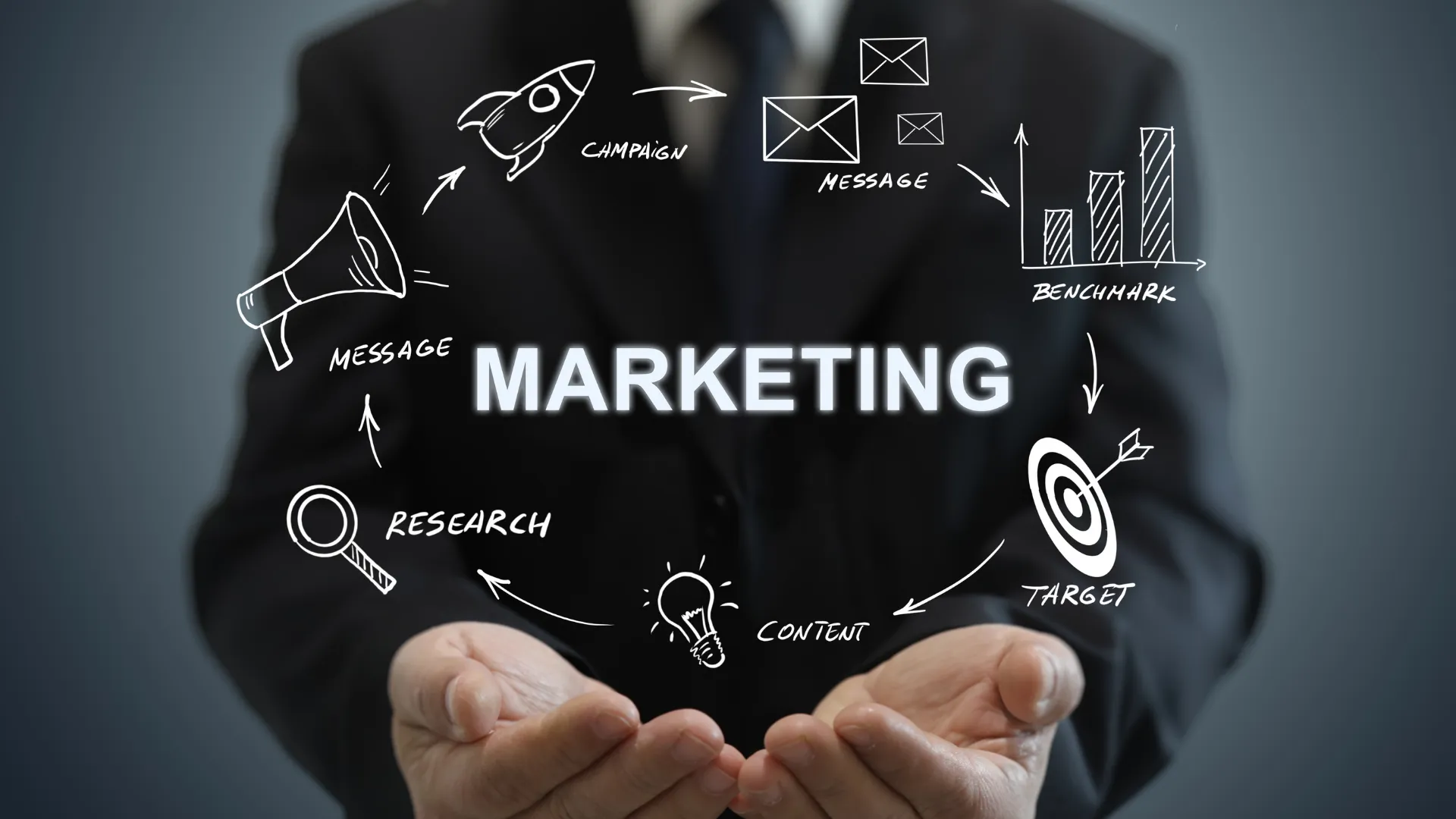
Marketing: What It Is, Types, Strategies, Benefits & How It Works
Marketing is one of the most important parts of building and growing a business. Whether you run a small local business, an e-commerce store, a startup, or a large company, effective marketing helps you reach the right audience, communicate your value, generate leads, and build long-term customer relationships.
Today, marketing goes beyond traditional advertising. Businesses use a combination of digital marketing, social media, search engine optimization (SEO), content marketing, email marketing, paid advertising, and other strategies to connect with customers.
In this guide, we’ll explain what marketing is, how marketing works, different types of marketing, important marketing strategies, its benefits, and how to create a basic marketing plan.
What Is Marketing?
Marketing is the process of understanding customers, promoting products or services, communicating their value, and encouraging people to take action.
Marketing involves much more than simply selling a product. It starts with understanding what customers need and continues through attracting potential customers, building trust, converting prospects into customers, and maintaining relationships after a purchase.
For example, a digital marketing agency may use SEO to attract people searching for marketing services, social media to build awareness, and Google Ads to generate immediate leads.
How Does Marketing Work?
Marketing generally follows a process that connects a business with its target audience.
1. Understand the Target Audience
The first step is identifying who your potential customers are. Businesses may analyze their needs, interests, problems, location, purchasing behavior, and preferences.
2. Identify Customer Needs
Successful marketing focuses on solving a customer problem or fulfilling a need. Understanding these needs helps businesses create relevant products, services, and messages.
3. Create a Value Proposition
A value proposition explains why customers should consider a particular product or service. It highlights the benefits and value a business provides.
4. Choose Marketing Channels
Businesses select channels based on their audience and objectives. These may include:
- Search engines
- Social media
- Websites and blogs
- Online advertising
- Television
- Newspapers
- Events
- Direct marketing
5. Promote the Product or Service
The business communicates its message through suitable marketing campaigns and content.
6. Convert Prospects Into Customers
Marketing can bring potential customers to a website, store, landing page, or sales team. The next step is encouraging them to take an action such as making a purchase, submitting an inquiry, or booking a consultation.
7. Measure and Improve
Businesses track results such as website traffic, leads, conversions, engagement, sales, and return on investment (ROI). The data can then be used to improve future marketing campaigns.
Types of Marketing
There are many different types of marketing. Businesses often combine multiple methods rather than relying on a single approach.
1. Digital Marketing
Digital marketing uses online channels to promote products and services. It can include SEO, social media marketing, email marketing, content marketing, and paid advertising.
2. Search Engine Optimization (SEO)
SEO focuses on improving a website’s visibility in search engine results.
For example, a local business may optimize its website for searches related to its products or services and location.
3. Social Media Marketing
Social media marketing uses platforms such as Instagram, Facebook, LinkedIn, and other social networks to reach and engage audiences.
Businesses can use social media for:
- Brand awareness
- Community building
- Content distribution
- Lead generation
- Customer engagement
4. Content Marketing
Content marketing involves creating useful and relevant content to attract and educate an audience.
Examples include:
- Blog articles
- Videos
- Guides
- Infographics
- Case studies
- E-books
- Social media content
5. Email Marketing
Email marketing allows businesses to communicate directly with subscribers and customers.
It can be used for newsletters, product updates, promotions, educational content, and customer retention.
6. Search Engine Marketing (SEM)
Search engine marketing commonly refers to paid advertising on search engines. Businesses can create campaigns targeting specific search queries and audiences.
7. Influencer Marketing
Influencer marketing involves collaborating with individuals who have an established audience or influence within a particular niche.
The goal can be to increase awareness, engagement, or product consideration.
8. Affiliate Marketing
Affiliate marketing involves partners promoting a business’s products or services and receiving compensation based on agreed results, such as sales or leads.
9. Traditional Marketing
Traditional marketing uses offline channels such as:
- Television
- Radio
- Newspapers
- Magazines
- Billboards
- Brochures
- Direct mail
Traditional marketing can still be useful, particularly when businesses want to reach specific local or offline audiences.
10. Relationship Marketing
Relationship marketing focuses on building long-term relationships with customers rather than concentrating only on individual transactions.
Customer service, personalized communication, loyalty programs, and consistent customer experiences can contribute to relationship marketing.
What Is a Marketing Strategy?
A marketing strategy is a planned approach that explains how a business intends to reach its target audience and achieve its marketing objectives.
A marketing strategy may include:
- Target audience
- Business goals
- Market research
- Competitive analysis
- Brand positioning
- Marketing channels
- Content strategy
- Advertising strategy
- Budget
- Key performance indicators (KPIs)
For example, a local service business might focus on local SEO, Google Business Profile optimization, social media content, and Google Ads to generate local leads.
Important Marketing Strategies
Different businesses require different strategies, but several approaches are commonly used.
Define Your Target Audience
Avoid trying to communicate with everyone. Identify the audience most likely to need your product or service.
Build a Strong Brand
Consistent branding across your website, social media, advertisements, packaging, and other communication channels can help customers recognize your business.
Create Valuable Content
Useful content can answer customer questions, demonstrate expertise, and help potential customers make informed decisions.
Optimize Your Website
Your website should clearly communicate what you offer and make it easy for visitors to contact you, request information, or purchase your product.
Use SEO
SEO can help businesses attract people who are actively searching for relevant information, products, or services.
Use Social Media
Choose social platforms that are relevant to your audience rather than trying to maintain an active presence everywhere.
Test Paid Advertising
Paid advertising can help businesses reach targeted audiences and generate traffic or leads. Campaign performance should be monitored regularly.
Measure Results
Use meaningful KPIs such as qualified leads, conversion rate, customer acquisition cost, revenue, and ROI rather than focusing only on likes or impressions.
What Are the Benefits of Marketing?
Effective marketing can provide several benefits to businesses.
1. Increases Brand Awareness
Marketing helps more people discover and recognize a business.
2. Reaches Potential Customers
Businesses can use targeted marketing channels to reach audiences based on factors such as interests, location, search behavior, or demographics.
3. Generates Leads
Marketing campaigns can attract potential customers and encourage them to contact a business or request more information.
4. Supports Sales
Marketing creates awareness and interest that can contribute to the sales process.
5. Builds Customer Relationships
Consistent communication and useful content can help businesses maintain relationships with existing customers.
6. Provides Customer Insights
Marketing research, website analytics, search data, and customer feedback can provide valuable information about customer behavior and preferences.
7. Supports Business Growth
When marketing is aligned with business goals and measured effectively, it can contribute to sustainable business growth.
The 4 Ps of Marketing
A traditional framework for understanding marketing is the 4 Ps of Marketing:
Product
What product or service does the business offer?
Price
How much does the customer pay, and how is the price positioned in the market?
Place
Where and how is the product or service made available to customers?
Promotion
How does the business communicate with potential customers and promote its offering?
These four elements can help businesses organize their marketing decisions.
How to Create a Marketing Plan
A marketing plan turns a marketing strategy into an actionable roadmap.
Step 1: Set Clear Goals
Define what you want to achieve. Goals might include increasing website traffic, generating leads, improving sales, or increasing brand awareness.
Step 2: Research Your Audience
Understand your target customers, their needs, challenges, interests, and purchasing behavior.
Step 3: Analyze Competitors
Research competitors to understand their products, positioning, content, marketing channels, and customer experience.
Step 4: Select Marketing Channels
Choose the channels that are most relevant to your audience and goals.
Step 5: Create a Content and Campaign Plan
Decide what content and campaigns you will publish, when you will publish them, and which audience they will target.
Step 6: Set a Budget
Determine how much you can invest in advertising, content creation, tools, agencies, and other marketing activities.
Step 7: Track Performance
Monitor KPIs and compare actual results with your objectives.
Step 8: Optimize
Marketing is an ongoing process. Use performance data to identify what is working and make improvements.
Marketing vs Advertising: What’s the Difference?
Marketing and advertising are related but they are not the same.
Marketing is the broader process of understanding customers, developing an offering, positioning it, communicating its value, attracting customers, and building relationships.
Advertising is one part of marketing that involves paying to promote a product, service, or message through selected advertising channels.
For example, SEO, content marketing, customer research, branding, email marketing, and advertising can all form part of a company’s overall marketing strategy.
Why Is Digital Marketing Important Today?
Consumers increasingly use digital channels to research businesses, compare products, read reviews, watch videos, and make purchasing decisions.
Digital marketing allows businesses to communicate with audiences through channels such as search engines, websites, social media, email, and online advertising.
Another advantage is measurability. Businesses can often track metrics such as impressions, clicks, traffic, leads, conversions, and revenue to evaluate campaign performance.
However, digital marketing works best when it is connected to broader business goals rather than treated as a collection of separate tactics.
Common Marketing Mistakes to Avoid
Businesses can improve their marketing by avoiding common mistakes such as:
- Not clearly defining the target audience
- Focusing only on selling instead of providing value
- Using every marketing channel without a clear strategy
- Ignoring SEO and website experience
- Creating inconsistent branding
- Not tracking meaningful KPIs
- Failing to follow up with leads
- Expecting immediate results from every marketing activity
- Not testing different messages and campaigns
- Ignoring existing customers while focusing only on acquiring new ones
Frequently Asked Questions About Marketing
What is marketing in simple words?
Marketing is the process of understanding customers, communicating the value of a product or service, attracting potential customers, and building relationships that support business objectives.
What are the main types of marketing?
Common types include digital marketing, SEO, social media marketing, content marketing, email marketing, search engine marketing, influencer marketing, affiliate marketing, traditional marketing, and relationship marketing.
What is the difference between marketing and advertising?
Marketing is a broad business function that includes activities such as research, branding, pricing, promotion, customer engagement, and distribution. Advertising is a specific promotional activity within marketing.
Why is marketing important for a business?
Marketing can help businesses increase awareness, reach potential customers, generate leads, support sales, build customer relationships, and understand their market.
Is digital marketing the same as marketing?
No. Digital marketing is one part of modern marketing that uses digital channels such as search engines, websites, social media, email, and online advertising.
Conclusion
Marketing is a broad and constantly evolving business function that connects businesses with their target customers. From traditional advertising and branding to SEO, social media, content marketing, email marketing, and paid advertising, businesses have many channels available to reach their audiences.
The most effective approach depends on the business, target audience, goals, budget, industry, and customer journey. Instead of using every available channel, businesses should focus on understanding their customers, offering genuine value, measuring results, and continuously improving their strategy.
A clear marketing strategy combined with consistent execution and data-driven optimization can help businesses build awareness, attract customers, strengthen relationships, and support long-term growth.