Digital Marketing: What It Is, How It Works, Types, Strategies, Benefits, SEO, Courses & Career Opportunities in 2026
Digital marketing has become one of the most important ways for businesses to reach customers, build brand awareness, generate leads, and increase sales. From Google searches and social media to websites, email campaigns, online advertising, and AI-powered marketing, businesses today have more ways than ever to connect with their target audience.
But what is digital marketing, how does it actually work, and which digital marketing strategies should a business use in 2026?
Digital marketing refers to the use of digital channels, platforms, technologies, and data to promote products, services, or brands and connect with potential customers.
Unlike traditional marketing, digital marketing allows businesses to reach highly specific audiences, track campaign performance, measure conversions, and optimize campaigns using real-time data.
In India, digital advertising continues to become increasingly important. Sensor Tower estimates that India’s digital advertising spend exceeded $4.2 billion in 2025 and projects it to reach approximately $5 billion in 2026.
At the same time, AI is changing how people search, discover brands, consume content, and make purchasing decisions. Google reported in 2026 that AI Overviews had more than 2.5 billion monthly active users, while AI Mode had surpassed one billion monthly users.
This makes digital marketing not just a marketing option, but an increasingly important part of modern business growth.
What Is Digital Marketing?
Digital marketing is the process of promoting a business, product, service, or brand through digital channels such as search engines, websites, social media platforms, email, online advertising, mobile applications, and other internet-connected technologies.
In simple words:
Digital marketing is marketing your business where your customers spend their time online.
For example, when someone searches Google for “best orthopedic hospital in Nagpur,” sees an Instagram advertisement for a clothing brand, watches a YouTube product review, receives a promotional email, or visits a business website after clicking an online advertisement, they are interacting with digital marketing.
Digital marketing combines several disciplines, including:
- Search Engine Optimization (SEO)
- Google Ads and Pay-Per-Click advertising
- Social Media Marketing
- Content Marketing
- Email Marketing
- Affiliate Marketing
- Influencer Marketing
- Video Marketing
- Mobile Marketing
- Local SEO
- Online Reputation Management
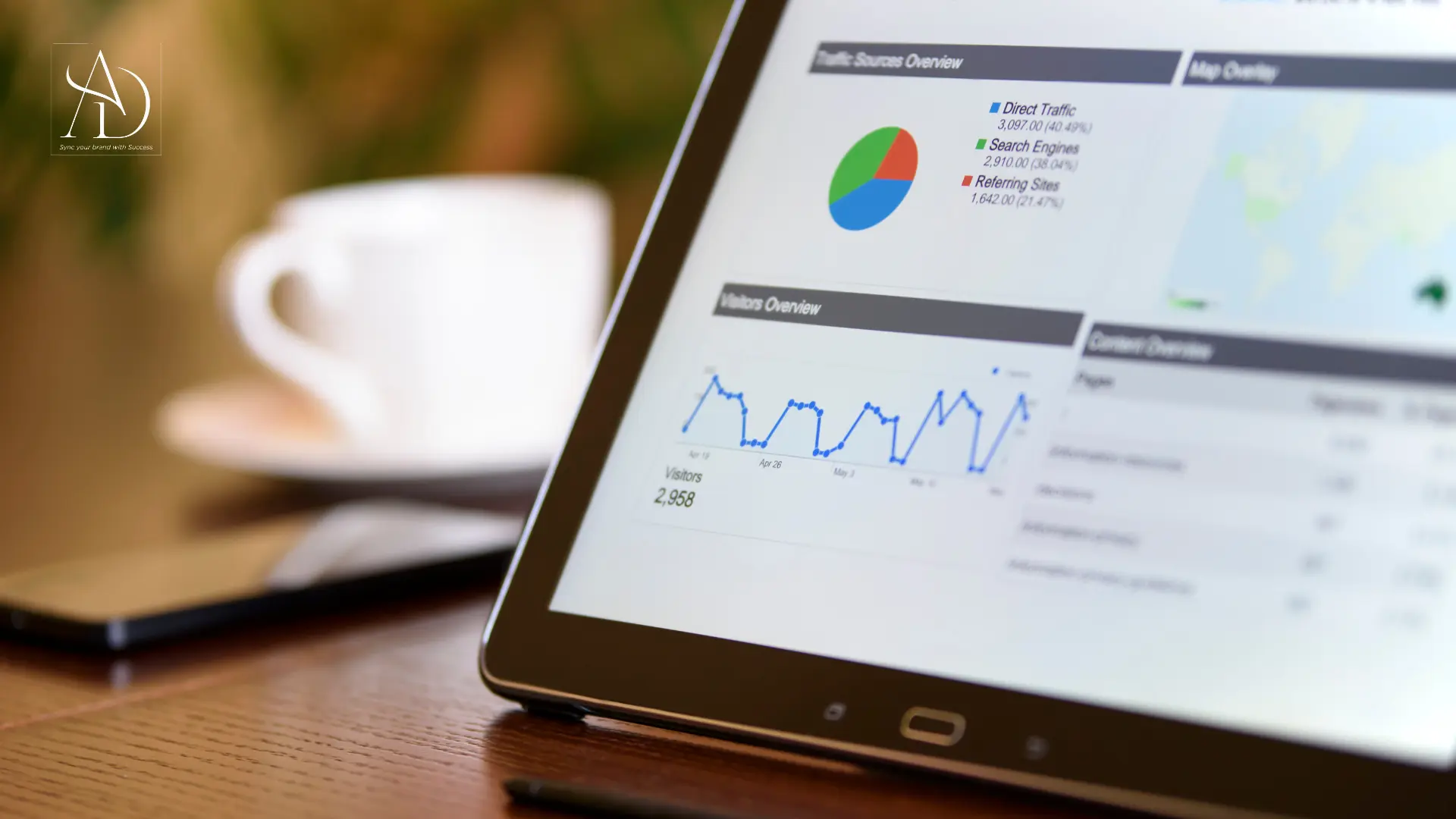
- Marketing Analytics
- Conversion Rate Optimization
A successful digital marketing strategy usually combines several of these channels rather than depending on only one.
How Does Digital Marketing Work?
Digital marketing works by moving potential customers through different stages of the buying journey.
A simple digital marketing funnel can be divided into four stages:
1. Attract
The first objective is to make potential customers aware of your business.
Businesses can attract people through:
- Google search results
- Social media content
- YouTube videos
- Blog articles
- Online advertisements
- Influencer content
- Local search results
For example, a person searching for “digital marketing agency in Nagpur” may discover a company through Google’s organic search results.
2. Engage
Once people discover a business, the next objective is to provide useful information and build interest.
This can happen through:
- Educational blog posts
- Social media posts
- Videos
- Case studies
- Email newsletters
- Webinars
- Guides
- Product demonstrations
The purpose is not always to immediately sell. It is to build familiarity, trust, and credibility.
3. Convert
Conversion occurs when a visitor takes the desired action.
Depending on the business, this could mean:
- Making a purchase
- Filling out a form
- Calling the business
- Sending a WhatsApp enquiry
- Booking an appointment
- Signing up for a service
- Downloading an ebook
- Requesting a quotation
4. Retain
Digital marketing does not end after the first sale.
Businesses can use:
- Email marketing
- Remarketing
- Social media
- Loyalty programs
- Customer communication
- Personalized offers
- Content
to encourage customers to return and recommend the business to others.
This creates a cycle of attract → engage → convert → retain.
What Are the Different Types of Digital Marketing?
Digital marketing includes multiple channels, and each serves a different purpose.
1. Search Engine Optimization (SEO)
SEO is the process of improving a website and its content so that search engines can better understand it and users can discover it through organic search results.
SEO can include:
- Keyword research
- On-page SEO
- Technical SEO
- Content optimization
- Internal linking
- Local SEO
- Digital PR
- Link building
- Website performance optimization
For example, a dental clinic in Nagpur might optimize its website for searches such as “dentist in Nagpur” or “root canal treatment in Nagpur.”
SEO can provide sustainable traffic over time, but it generally requires consistent effort rather than producing instant results.
2. Search Engine Marketing and PPC
Pay-per-click advertising allows businesses to pay for advertisements that appear on search engines and other digital platforms.
Google Ads is one of the most widely used PPC platforms.
Businesses can target potential customers based on factors such as:
- Search intent
- Location
- Demographics
- Interests
- Devices
- Previous interactions
PPC can be particularly useful when a business wants to generate targeted traffic quickly.
Google is also increasingly integrating AI into advertising. In 2026, Google announced AI Max for Search and new AI-powered advertising experiences designed around changing search behavior.
3. Social Media Marketing
Social media marketing involves using platforms such as Instagram, Facebook, LinkedIn, YouTube, and other social networks to build awareness, engagement, communities, and business opportunities.
A social media strategy may include:
- Organic posts
- Reels and short-form videos
- Stories
- Educational content
- Influencer collaborations
- Community management
- Paid social advertising
Social media can be especially valuable for businesses where visual content, brand personality, and community influence purchasing decisions.
4. Content Marketing
Content marketing focuses on creating useful and relevant content for a specific audience.
Examples include:
- Blog articles
- Videos
- Infographics
- Case studies
- Ebooks
- Guides
- Podcasts
- Social media content
The goal is to answer questions, solve problems, educate audiences, and gradually build trust.
Good content can also support SEO by helping a website target relevant topics and search queries.
5. Email Marketing
Email marketing allows businesses to communicate directly with people who have opted into their communications.
Businesses use email for:
- Product announcements
- Offers
- Newsletters
- Educational content
- Lead nurturing
- Customer retention
- Event invitations
Email can be particularly useful for businesses with repeat customers or longer purchasing journeys.
6. Affiliate Marketing
Affiliate marketing is a performance-based marketing model in which affiliates promote another company’s products or services and receive a commission when their promotion generates a qualifying sale or lead.
Affiliates may use:
- Websites
- Blogs
- YouTube
- Social media
- Email lists
7. Influencer Marketing
Influencer marketing involves collaborating with creators who have an established audience and influence within a particular niche.
Businesses may work with:
- Nano influencers
- Micro influencers
- Macro influencers
- Industry experts
- Content creators
The most effective influencer campaigns focus on audience relevance and credibility rather than simply follower count.
8. Video Marketing
Video marketing uses video content to educate, entertain, demonstrate, or persuade potential customers.
Popular formats include:
- YouTube videos
- YouTube Shorts
- Instagram Reels
- Product demonstrations
- Customer testimonials
- Educational videos
- Video advertisements
Video can work across multiple stages of the marketing funnel, from awareness to conversion.
9. Mobile Marketing
Mobile marketing reaches customers through mobile devices.
It can include:
- SMS marketing
- Mobile applications
- Push notifications
- Mobile advertisements
- WhatsApp communication
- Location-based marketing
Since consumers increasingly use smartphones to search, communicate, shop, and consume content, mobile optimization has become essential.
10. Online Reputation Management
Online reputation management focuses on monitoring and improving how a business is perceived online.
It can include:
- Google reviews
- Customer feedback
- Social media reputation
- Brand mentions
- Review responses
- Search results
- Business listings
For local businesses, maintaining accurate business information and building genuine customer reviews can be especially important.
What Is SEO in Digital Marketing?
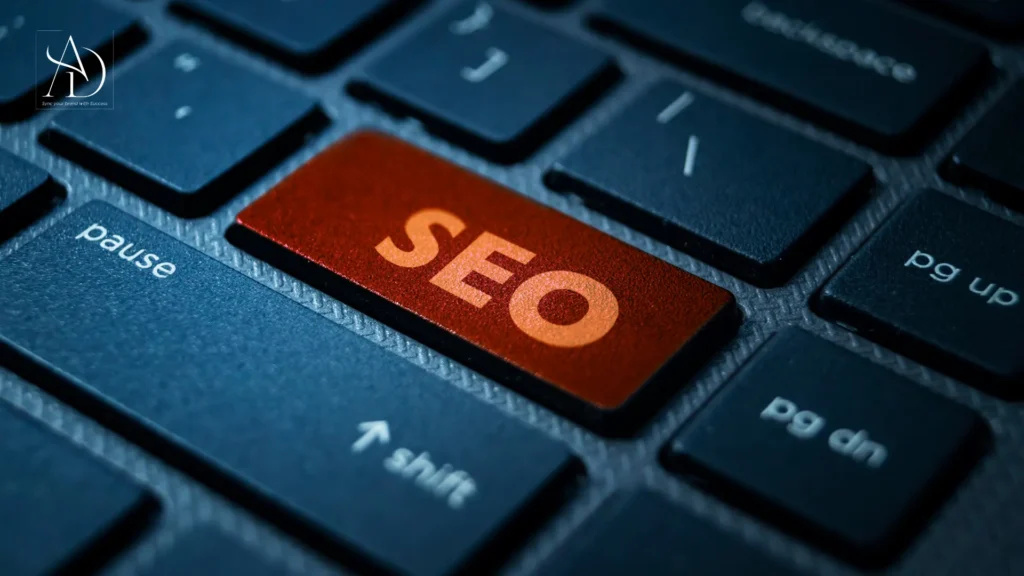
Search Engine Optimization, commonly known as SEO, is one of the most important components of digital marketing.
SEO involves improving a website’s technical structure, content, relevance, authority, and user experience so that search engines can understand the website and users can discover it through organic search.
For example, if someone searches:
“best digital marketing agency in Nagpur”
businesses that have relevant, useful, well-optimized online presence may have an opportunity to appear in the search results.
What Are the Main Types of SEO?
On-Page SEO
On-page SEO involves optimizing elements on a website.
It can include:
- Page titles
- Headings
- Meta descriptions
- Content
- Keywords
- Internal links
- Images
- URLs
- Structured data
Technical SEO
Technical SEO focuses on the technical aspects that help search engines crawl, understand, and index a website.
It can involve:
- Website speed
- Mobile usability
- Indexing
- XML sitemaps
- Canonical URLs
- HTTPS
- Core Web Vitals
- Website architecture
Off-Page SEO
Off-page SEO refers to activities outside the website that can contribute to its authority and visibility.
Examples include:
- Relevant backlinks
- Digital PR
- Brand mentions
- Industry citations
- Partnerships
Local SEO
Local SEO helps businesses become more visible when people search for products or services in a specific geographic area.
It can involve:
- Google Business Profile optimization
- Local citations
- NAP consistency
- Reviews
- Location pages
- Local content
- Local backlinks
For businesses serving a specific city such as Nagpur, local SEO can be an important part of digital marketing.
How to Do Digital Marketing for a Business?
There is no single digital marketing strategy that works for every business. The right approach depends on the industry, audience, location, budget, competition, and business goals.
However, a practical framework can look like this:
Step 1: Identify Your Target Audience
Before running campaigns, determine:
- Who are your customers?
- What problems do they have?
- What do they search for?
- Which platforms do they use?
- What influences their purchasing decisions?
Step 2: Define Your Marketing Goals
Your goals could include:
- Brand awareness
- Website traffic
- Leads
- Sales
- Appointments
- Online purchases
- Customer retention
Your goals determine which channels and KPIs you should prioritize.
Step 3: Research Your Competitors
Analyze:
- Competitor websites
- Search rankings
- Social media
- Advertisements
- Content
- Reviews
- Offers
- Customer experience
Competitor research can reveal opportunities that your business is currently missing.
Step 4: Build or Optimize Your Website
Your website often becomes the central destination for digital marketing campaigns.
It should be:
- Mobile-friendly
- Fast
- Easy to navigate
- Secure
- Clearly branded
- Conversion-focused
- Search-engine friendly
Step 5: Conduct Keyword Research
Identify what potential customers search for.
For example, a local digital marketing agency might target terms related to:
- Digital marketing agency
- SEO services
- Social media marketing
- Google Ads
- Meta Ads
- Digital marketing company in Nagpur
Keyword research should consider both search volume and search intent.
Step 6: Create Useful Content
Create content that answers real customer questions.
This can include:
- Blog posts
- FAQs
- Videos
- Guides
- Social media posts
- Case studies
Step 7: Implement SEO
Optimize your website and content for relevant searches.
SEO should not simply be about inserting keywords. Google continues to emphasize useful experiences and content that serves people, while AI-powered search is creating additional ways for users to discover information.
Step 8: Use Paid Advertising
Depending on your objectives, consider:
- Google Ads
- Meta Ads
- YouTube Ads
- LinkedIn Ads
- Remarketing
Paid campaigns can complement organic marketing rather than replacing it.
Step 9: Generate and Nurture Leads
Once visitors arrive, give them a clear next step.
For example:
Website visitor → Landing page → Enquiry → Follow-up → Customer
CRM systems, email marketing, WhatsApp communication, and automated follow-ups can help businesses manage leads more effectively.
Step 10: Measure and Optimize
Track performance and identify what is working.
Then:
Test → Measure → Learn → Optimize → Repeat
Digital marketing is not a one-time activity. It is an ongoing process of improvement.
What Is a Digital Marketing Agency?
A digital marketing agency is a company that helps businesses promote their products or services through online channels.
A digital marketing agency may provide services such as:
- SEO
- Local SEO
- Google Ads
- Meta Ads
- Social media marketing
- Content marketing
- Website design
- Graphic design
- Video marketing
- Online reputation management
- Analytics
- Lead generation
What Does a Digital Marketing Agency Do?
An agency typically starts by understanding a business’s:
- Target audience
- Industry
- Competitors
- Goals
- Budget
- Current online presence
It can then create and execute a digital marketing strategy designed around those objectives.
Agency vs Freelancer vs In-House Team
| Option | Best For | Main Advantage |
|---|---|---|
| Freelancer | Small projects | Flexible and often lower cost |
| Digital Marketing Agency | Businesses needing multiple services | Access to multiple skills |
| In-house Team | Larger organizations | Greater internal control |
The right choice depends on the business’s requirements, budget, and growth stage.
When Should a Business Hire a Digital Marketing Agency?
An agency may be useful when a business:
- Does not have an experienced marketing team
- Wants to generate more qualified leads
- Needs SEO expertise
- Wants to run paid advertising
- Needs consistent social media management
- Wants to improve its online visibility
- Needs multiple digital marketing services
For businesses in Nagpur and other growing Indian cities, combining local SEO, social media, paid advertising, content, and conversion optimization can create a more complete digital presence.
What Is a Digital Marketing Course?
A digital marketing course is an educational program designed to teach students how different online marketing channels work and how businesses use them to attract and convert customers.
A comprehensive digital marketing course may cover:
- Digital marketing fundamentals
- SEO
- Keyword research
- Google Ads
- Meta Ads
- Social media marketing
- Content marketing
- Email marketing
- Google Analytics
- Conversion optimization
- Affiliate marketing
- Influencer marketing
- Online reputation management
- AI tools for marketing
What Should You Look for in a Digital Marketing Course?
When choosing a course, look beyond the certificate.
A useful course should ideally provide:
- Practical projects
- Live campaign experience
- SEO exercises
- Advertising campaign practice
- Analytics training
- Website or landing-page projects
- Case studies
- Industry-relevant tools
- Portfolio-building opportunities
The digital marketing industry changes quickly, so practical learning is often more valuable than memorizing theoretical definitions.
Is Digital Marketing a Good Career in 2026?
Yes. Digital marketing can be a strong career option in 2026 because businesses across industries increasingly need professionals who can acquire customers, build online visibility, manage campaigns, and interpret marketing data.
The growth of AI is not simply removing the need for marketers. Instead, it is changing the skills marketers need.
Google’s 2026 marketing updates show how AI is becoming integrated into advertising, analytics, creative production, campaign optimization, and search experiences.
Digital Marketing Career Opportunities
Professionals can specialize in areas such as:
- SEO Executive
- SEO Specialist
- Local SEO Specialist
- Google Ads Specialist
- Meta Ads Specialist
- Social Media Manager
- Content Marketer
- Email Marketing Specialist
- Performance Marketing Specialist
- Digital Marketing Executive
- Digital Marketing Manager
- Marketing Analyst
- Growth Marketer
- Affiliate Marketing Manager
- Influencer Marketing Manager
Digital marketing can also provide opportunities for:
- Freelancing
- Consulting
- Agency work
- In-house employment
- Entrepreneurship
What Skills Are Needed for a Digital Marketing Career?
Important skills include:
Technical skills
- SEO
- Google Ads
- Meta Ads
- Analytics
- Keyword research
- Content strategy
- Website basics
Creative skills
- Copywriting
- Graphic design
- Video content
- Storytelling
- Creative thinking
Business skills
- Communication
- Sales understanding
- Customer psychology
- Data analysis
- Strategic thinking
AI skills
In 2026, marketers should also understand how to use AI responsibly for:
- Research
- Content ideation
- Data analysis
- Creative development
- Workflow automation
- Campaign insights
- Customer personalization
AI should be treated as a productivity and decision-support tool rather than a substitute for marketing strategy.
How Much Does Digital Marketing Cost?
Digital marketing costs vary significantly depending on the business, location, objectives, competition, services required, and advertising budget.
For example, a business might spend separately on:
- SEO
- Social media management
- Website development
- Google Ads
- Meta Ads
- Content creation
- Graphic design
- Video production
It is important to distinguish between marketing management fees and advertising spend.
For example:
Agency fee + advertising budget = total paid advertising investment
A business should also evaluate marketing based on business outcomes rather than simply choosing the cheapest service.
What Are the Benefits of Digital Marketing?
Digital marketing provides several advantages over traditional marketing methods.
1. Precise Targeting
Businesses can target audiences based on factors such as location, interests, behavior, search intent, and demographics.
2. Measurable Results
Businesses can track metrics such as:
- Impressions
- Clicks
- Website traffic
- Leads
- Conversions
- Cost per lead
- Customer acquisition cost
- Return on ad spend
3. Wider Reach
A small business can potentially reach customers beyond its immediate geographic area.
4. Better Personalization
Digital platforms allow businesses to deliver different messages to different audience segments.
5. Faster Optimization
Campaigns can be monitored and adjusted much faster than many traditional advertising campaigns.
6. Multiple Marketing Channels
Businesses can combine SEO, social media, email, paid advertising, content, and other channels.
7. Improved Customer Engagement
Digital platforms allow businesses to communicate directly with potential and existing customers.
What Are the Most Important Digital Marketing KPIs?
Digital marketing should be measured using meaningful KPIs rather than vanity metrics alone.
Click-Through Rate (CTR)
CTR measures the percentage of users who click an advertisement or link after seeing it.
Conversion Rate
Conversion rate measures the percentage of users who complete a desired action.
Cost Per Lead (CPL)
CPL measures how much it costs to generate a lead.
Cost Per Acquisition (CPA)
CPA measures the cost of acquiring a customer or completing a specified conversion.
Return on Ad Spend (ROAS)
ROAS compares revenue attributed to advertising with advertising expenditure.
Website Traffic
This measures the number and characteristics of visitors coming to your website.
Organic Traffic
Organic traffic measures visitors arriving through unpaid search results.
Engagement Rate
Engagement rate helps evaluate interactions with social media content.
The most important KPI, however, depends on the business objective. A hospital, ecommerce store, educational institute, and B2B software company should not necessarily measure success in exactly the same way.
Digital Marketing Strategies for Small Businesses
Small businesses do not necessarily need to be present everywhere.
Instead, they should identify where their customers are most likely to discover and evaluate them.
A practical small-business strategy could include:
Local SEO
Optimize the website and Google Business Profile for relevant local searches.
Social Media
Publish useful and engaging content consistently.
Google Ads
Target high-intent searches where immediate visibility can generate enquiries.
Meta Ads
Use Facebook and Instagram to generate awareness, leads, or sales.
Content Marketing
Create articles and videos that answer customer questions.
Reviews
Build a genuine reputation through excellent customer experiences and authentic reviews.
Remarketing
Reconnect with people who previously interacted with the business.
The key is not to simply “do digital marketing.”
The goal is to build a system where different channels work together.
Digital Marketing Trends in 2026
Digital marketing is changing rapidly, particularly because of artificial intelligence and changing search behavior.
1. AI-Powered Search
Search is becoming increasingly conversational.
People can ask longer, more detailed questions rather than relying only on short keyword searches.
Google reported that AI Mode queries have been growing rapidly and that AI-powered search is changing how people discover information.
This means businesses should focus on creating genuinely useful, well-structured information rather than producing content solely for keyword rankings.
2. AI-Assisted Advertising
Advertising platforms are increasingly using AI for:
- Audience discovery
- Creative generation
- Campaign optimization
- Search expansion
- Performance analysis
Google’s AI Max for Search is one example of this shift.
3. Video-First Marketing
Short-form video continues to be an important format for brand discovery and engagement.
Businesses should consider:
- Reels
- Shorts
- Educational videos
- Testimonials
- Product demonstrations
4. First-Party Data
As privacy expectations and tracking technologies evolve, businesses need stronger first-party data strategies.
Examples include:
- Customer databases
- Email subscribers
- CRM data
- Website analytics
- Purchase history
5. Personalization
Customers increasingly expect businesses to provide relevant experiences rather than generic messaging.
6. Marketing Automation
Automation can help businesses handle:
- Lead nurturing
- Email sequences
- Customer follow-ups
- Reporting
- Data organization
- Routine marketing tasks
7. AI + Human Creativity
AI can make marketing faster, but strategy, positioning, storytelling, originality, and understanding customers remain human-centered skills.
The strongest marketing approach in 2026 is therefore not simply AI instead of marketers, but AI + data + human strategy + creativity.
What Is the Difference Between Digital Marketing and Internet Marketing?
Internet marketing refers specifically to marketing activities conducted through the internet.
Digital marketing is a broader term.
Digital marketing can include internet-based channels such as:
- Websites
- SEO
- Social media
- Online advertising
It can also include digital channels such as:
- SMS
- Mobile applications
- Digital displays
Therefore:
Internet marketing is generally considered a subset of digital marketing.
What Is the Difference Between Digital Marketing and Traditional Marketing?
| Digital Marketing | Traditional Marketing |
| Websites | Newspapers |
| SEO | Television |
| Social media | Radio |
| Google Ads | Billboards |
| Magazines | |
| Online video | Direct mail |
| Social advertising | Print advertising |
The biggest difference is not simply “online versus offline.”
Digital marketing typically provides greater opportunities for detailed targeting, measurement, experimentation, and real-time optimization.
Traditional marketing can still be valuable, particularly when businesses want broad awareness, physical presence, or mass-market exposure.
In many cases, the strongest strategy is an integrated approach combining appropriate traditional and digital channels.
What Are the Challenges of Digital Marketing?
Digital marketing offers major opportunities, but it also has challenges.
Increasing Competition
More businesses are competing for the same customers and search visibility.
Constantly Changing Algorithms
Search engines and advertising platforms regularly change their systems.
Rising Advertising Costs
Competition can increase the cost of reaching valuable audiences.
Content Saturation
Consumers are exposed to enormous amounts of content every day.
Data Complexity
Businesses may collect large amounts of data without knowing which metrics actually matter.
Privacy and Compliance
Marketers must increasingly consider data protection, consent, platform policies, and responsible data usage.
AI-Generated Content
AI makes content production easier, but low-quality or repetitive content can make it harder for brands to differentiate themselves.
The solution is not simply to produce more content.
It is to produce better, more useful, more trustworthy, and more relevant content.
Frequently Asked Questions About Digital Marketing
What is digital marketing?
Digital marketing is the promotion of products, services, or brands using digital channels such as search engines, websites, social media, email, online advertising, mobile platforms, and digital content.
What are the main types of digital marketing?
Major types include SEO, PPC advertising, social media marketing, content marketing, email marketing, affiliate marketing, influencer marketing, video marketing, mobile marketing, and online reputation management.
What is SEO in digital marketing?
SEO is the process of improving a website’s visibility in organic search results through techniques such as keyword research, content optimization, technical SEO, local SEO, and authority building.
How does digital marketing work?
Digital marketing generally works by attracting potential customers, engaging them with useful content or experiences, converting them into leads or customers, and retaining them through ongoing communication.
How do I start digital marketing?
Start by defining your target audience and goals, researching your market and competitors, creating a strong website, developing useful content, implementing SEO, using appropriate social platforms and paid advertising, and measuring results.
Is digital marketing a good career in 2026?
Digital marketing can be a strong career option in 2026 because businesses continue to require professionals in SEO, paid advertising, social media, content, analytics, automation, and growth marketing.
What is a digital marketing course?
A digital marketing course teaches students how to use online marketing channels such as SEO, Google Ads, social media, content marketing, analytics, email marketing, and other digital strategies.
What does a digital marketing agency do?
A digital marketing agency helps businesses improve their online presence and achieve marketing objectives through services such as SEO, advertising, social media, content, websites, analytics, and lead generation.
Is SEO still important in 2026?
Yes. Search continues to be an important discovery channel, although the search experience is evolving with AI-powered features. Businesses should focus on useful content, strong websites, clear information, technical quality, and satisfying user needs rather than relying solely on traditional keyword optimization.
Will AI replace digital marketers?
AI will automate and accelerate many marketing tasks, but digital marketing still requires strategy, creativity, customer understanding, positioning, communication, analysis, and decision-making. The role of marketers is likely to evolve alongside AI rather than disappear.
The Future of Digital Marketing
Digital marketing in 2026 is moving beyond simply being present on Google, Facebook, Instagram, or a website.
The industry is becoming more connected, automated, data-driven, and AI-assisted.
Search is becoming more conversational. Advertising platforms are using AI to identify opportunities and optimize campaigns. Businesses are using automation to manage customer journeys, while content is increasingly distributed across search, social media, video, and AI-powered experiences.
Google’s current developments illustrate this transition, with AI being integrated into Search, advertising, analytics, creative tools, and measurement.
For businesses, the lesson is simple:
Don’t build your marketing strategy around a single platform. Build a digital ecosystem around your customer.
That ecosystem may include:
Website + SEO + Content + Social Media + Paid Ads + CRM + Analytics + AI + Customer Experience
When these components work together, digital marketing becomes more than online advertising.
It becomes a complete system for attracting, converting, and retaining customers.
Final Thoughts
Digital marketing is the use of digital channels and technologies to connect businesses with customers, build visibility, generate demand, and drive measurable business results.
Its major components include SEO, PPC, social media marketing, content marketing, email marketing, video marketing, influencer marketing, affiliate marketing, mobile marketing, and online reputation management.
For businesses, digital marketing can provide targeted reach, measurable performance, faster optimization, and multiple opportunities to connect with customers.
For professionals and students, it offers career paths across SEO, performance marketing, social media, content, analytics, growth, and digital strategy.
And in 2026, one thing is becoming increasingly clear:
The future of digital marketing belongs to businesses and marketers that can combine human creativity, customer understanding, strong data, excellent content, and AI-powered technology.
If you are a business looking to improve your online visibility, generate more qualified leads, or build a stronger digital presence, working with an experienced digital marketing agency can help you develop and execute a strategy suited to your business goals.
AdSync Solutions helps businesses build their digital presence through services including SEO, social media marketing, Google Ads, Meta Ads, website development, content, and digital marketing strategy.